Why is Ketu considered important for Moksha in Vedic astrology?
Published 29 September 2026
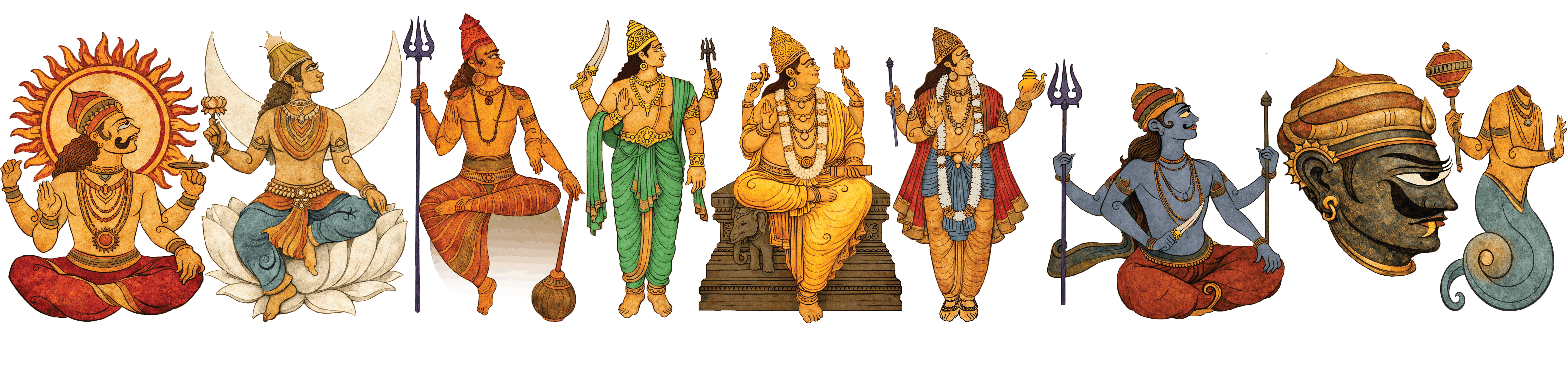
Ketu is the headless shadow planet (the descending lunar node). Because it has no head, it is symbolically detached from the mind's usual cravings, and it represents renunciation, past-life spiritual accumulation and dissolution of the ego. In the natural zodiac, Ketu's nature aligns with the 12th house (loss, liberation) and with themes of transformation such as those found in Pisces and Scorpio. Classical readers connect Ketu with moksha because it removes attachment to whatever house it sits in, and it is called a spiritual karaka (moksha-karaka). Ketu in the 12th, 8th or 4th, or Ketu linked with Jupiter, is often noted in charts of people with strong spiritual inclination. In its own dasha, people frequently report a turn toward introspection, simplicity or withdrawal. It does not guarantee moksha. Ketu also brings confusion, isolation, sudden breaks and a feeling of "nothing satisfies." The traditional view is that Ketu's periods push the mind toward introspection, and that whether the result is spiritual growth or mere loss depends on the person's choices and on the sign, house and aspects involved.